Your Essential Guide to a Smooth Recovery
Leaving hospital is a relief for most people – a sign that the worst is over. But going home doesn’t always mean you’re fully recovered. Many people find the early days at home the most challenging, especially if they’re still regaining strength or confidence.
At Noble Live-in Care, we help families plan this transition carefully. Whether you’re recovering from surgery, illness or a long-term condition, we’re here to make home the safest, most comfortable place to heal.
Why Is Recovering at Home Often Better Than a Rehab Facility?
1. Clinical Parity – and Sometimes Better
A large UK trial found that ‘Hospital at Home’ care for older adults produced health outcomes equivalent to hospital admission after six months. In some areas, it even improved results, such as lowering acute confusion rates (1.7% vs 4.4%)
Source: University of Oxford
2. At-Home Rehab Works for Complex Needs
The 2025 EXIT-HF trial reported that home-based cardiac rehabilitation delivered similar clinical improvements to hospital-based rehab for heart failure patients.
Source: American College of Cardiology
3. NHS-Backed Cost Benefits
A 2024 NHS study of the 'Your Care Needs You' discharge programme found it saved an average of £269 per patient, while improving quality of life and demonstrating strong cost-effectiveness.
Source: NHS Research Summary on ArXiv
Familiarity Supports Faster Healing
Home is a powerful setting for recovery. Being surrounded by familiar furniture, smells, and people helps reduce stress, confusion, and the feeling of displacement.
A survey by the Homecare Association found that 88% of those aged 65 and over agreed that people would rather be supported at home than in a care or hospital setting, highlighting a clear appetite for home-based care
Falls are a leading concern post-discharge, with risk ranging from 30% to 50% for those aged 65–80
Source: gov.uk
Home is not just more comforting. For many, it is safer and easier to navigate than institutional care settings, particularly with the right support.
Taken together, the evidence for recovering at home is compelling. Clinical trials show that for many conditions, home-based care delivers outcomes on par with hospital treatment and in some cases, even better. It can reduce the risk of complications like delirium, support effective rehabilitation, and offer a cost-saving alternative without compromising quality.
Beyond the clinical data, the emotional and psychological benefits of home recovery are just as persuasive.
Familiar surroundings, personal routines and reduced stress contribute to a more positive recovery experience. With nearly all patients expressing a preference to heal at home, and with the right support in place, it's clear that the home is not just where the heart is. it’s where better outcomes often begin.
What Does Post-Hospital Live-in Care Actually Involve?
At Noble, our care plans are built around the individual. Every service is personalised to promote recovery, restore confidence, and help people regain independence.
Care may include:
Personal care such as bathing, dressing and continence
Medication support with scheduling and side effect monitoring
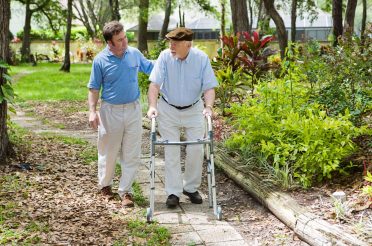
Help with mobility and physical therapy exercises
Meal preparation tailored to health and nutrition needs
Light housekeeping and domestic help
Emotional support and companionship
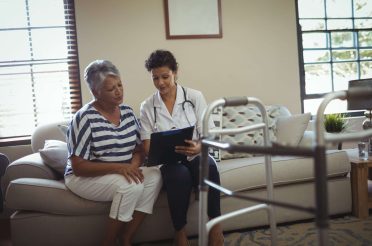
Liaison with GPs, nurses and therapists for coordinated care
This continuity builds trust, improves outcomes, and avoids the disruption of rotating care staff or rushed home visits.
Find out more about Care Services at Noble Live-In Care
Your Questions Answered: Planning for Discharge
Ideally, you should begin planning as soon as hospital discharge is mentioned. even if no date has been confirmed. Discharge can happen quickly, especially once the patient is deemed medically fit, which can leave families scrambling to arrange care, equipment, or support at short notice.
By planning early, you’ll have time to explore options, involve the right professionals, and make decisions based on quality and comfort rather than urgency.
At Noble Live-in Care, we can step in at any stage, but early involvement allows us to carry out a full needs assessment, recommend home adjustments, and match you with the most suitable carer from the start.
Not always, but small changes can make a significant difference to safety and comfort. During our pre-discharge assessment, we look at mobility, accessibility, and potential hazards within the home. Common suggestions include:
Removing or securing rugs and trip hazards
Installing grab rails in bathrooms or near steps
Ensuring there is clear, level access to essential rooms
Rearranging furniture to support the use of walking aids or wheelchairs
Recommending specialist equipment such as raised toilet seats or hospital beds (which we can help arrange if needed)
If more complex adaptations are required, we can liaise with occupational therapists, social care teams, or equipment providers to make the home recovery-ready.
Yes. Live-in care is especially valuable for those with long-term or evolving health needs. Our carers are experienced in supporting individuals recovering from:
Strokes, including those needing mobility support and speech therapy coordination
Neurological conditions such as Parkinson’s or multiple sclerosis, where routines and physical support are essential
Cancer, particularly following surgery or during periods of fatigue and reduced immunity
Dementia, where continuity, familiarity, and gentle routines are key to wellbeing
Because our service is personalised, we can adapt over time. If needs change, for example, if rehabilitation progresses or new challenges emerge your carer can adjust the support accordingly, and our management team remains involved to review and update care plans regularly.
Absolutely. Integrated care is vital for safe recovery. Our carers work closely with NHS services to ensure nothing is missed and all aspects of your health and wellbeing are covered. This includes:
Attending discharge planning meetings where possible
Following post-operative or therapy guidance (e.g. physiotherapy exercises)
Managing medication schedules in line with hospital instructions
Monitoring and reporting changes in health to GPs or nurses
Supporting attendance at follow-up appointments
We also maintain direct lines of communication with district nurses, community teams, and social care providers to avoid duplication or confusion and ensure a joined-up approach.

A Shift Towards Home-Based Recovery
- Over 39,000 people each month are now discharged from hospitals into intermediate or home-based care in England
This shift reflects growing recognition that, when well-supported, home can be the safest and most effective place to recover
Source: NHS England
The NHS Long Term Plan continues to invest in community care, focusing on preventative support and reducing unnecessary admissions or delayed discharges. Live-in care fits naturally into this shift, offering one-to-one support, continuity, and stability when it’s needed most.
Why Choose Noble Live-in Care?
We offer a fully managed live-in care service designed to remove stress, improve recovery, and give families peace of mind. Our service includes:
A carefully matched carer who lives with you and provides 24/7 support
Vetted, trained professionals with experience in complex care needs
Support from our wider care management team, including regular check-ins
Full management of employment, contracts, training, and sickness cover
A focus on personal connection, trust, and long-term outcomes
Our aim is to make recovery not only safer, but more dignified and empowering.

Begin Your Recovery, Your Way
With the right care in place, going home doesn’t have to mean going it alone. Whether you or your loved one are due to be discharged soon or simply planning ahead, Noble Live-in Care can help create a personalised recovery plan that works for your needs and your lifestyle.
Contact us today for a no-obligation conversation about post-hospital care at home.